7 Years Ago I Was Stealing McDonald’s WiFi. Today We Turn the Page to Year Eight.

Years ago, I was parked outside a McDonalds somewhere in Europe, stealing their WiFi to build a website for a client between gigs. I had maybe two hours before soundcheck.

This is where Atarim has its earliest beginnings.

Not in an office with a fancy set up and a white board, but in a van with three guys who hadn’t done laundry in a week, and some fries going cold on the dashboard.

It Started Because The Band Broke Up

I was a kid from a small town in Israel. Borrowed an electric guitar to impress a girl. Slept with it next to me in bed that first night because I was already obsessed.

Spent a decade trying to become the best rock musician I could be, working weekends as the youngest top guitar salesman at the biggest music shop in the country, attending music college, and reading every business and marketing book I could buy on the side to grow the band.

We rebranded. Wrote new songs in English. Did an online launch using everything I’d taught myself.

Within a month, our little band from a tiny country got signed to a British label, packed up our lives and started touring Europe.

Went from playing to less than 10 people in pubs to thousands, sharing stages with artists I grew up listening to!
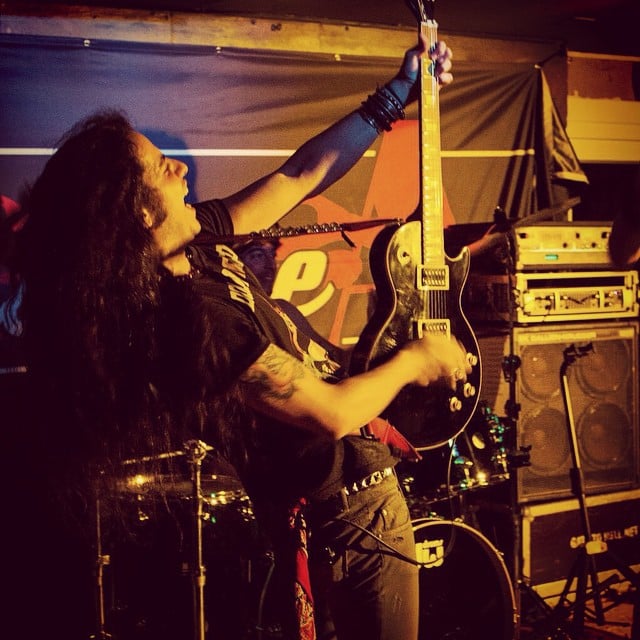
And… I was still broke.

The websites I was building from the van started getting noticed. People asked me to do the same for them. So McDonalds became my office, and “web designer” became the thing I did between sets.

Then, right after the biggest show we ever played, the band split up.

But it was the best thing that could have happened at the time. I was free. For the first time in a decade, I got to decide what came next, and I was buzzing to find out what I could build when the only person I had to convince was me.

Within a year of going full time on the agency, I’d hit six figures. And then I ran face-first into the wall every agency owner eventually hits.

The 4 Things That Were Eating My Agency Alive

Margins were shrinking. Bigger projects meant I’d be dealing with more chaos and more chaos meant more risk. A couple of slow months would have ruined the business.

When I sat down to figure out where the time was going, I kept hitting the same few problems on every project:

  1. Clients took forever to send content. They didn’t know how to give design feedback, so revision rounds dragged on. 
  2. They reached out for support through every channel imaginable: WhatsApp voice notes (my least favorite), Facebook DMs, LinkedIn, text messages, phone calls, Skype, Hangouts, emails, sometimes literally walking into the office. 
  3. And after launch, most never actually used the site as the marketing tool we’d built it to be.

My team was spending more time hunting for things than building them. A revision request buried in a Skype thread. One client on the phone right now while another had a 3pm meeting on the calendar.

I tried specialized spreadsheets, strict systems, SOPs, and nothing was really fixing the problem. To say I was pulling my hair out is an understatement.

So I built the thing I wished existed.

Year One: Click On The Damn Website

The first version of Atarim was a visual collaboration hub.

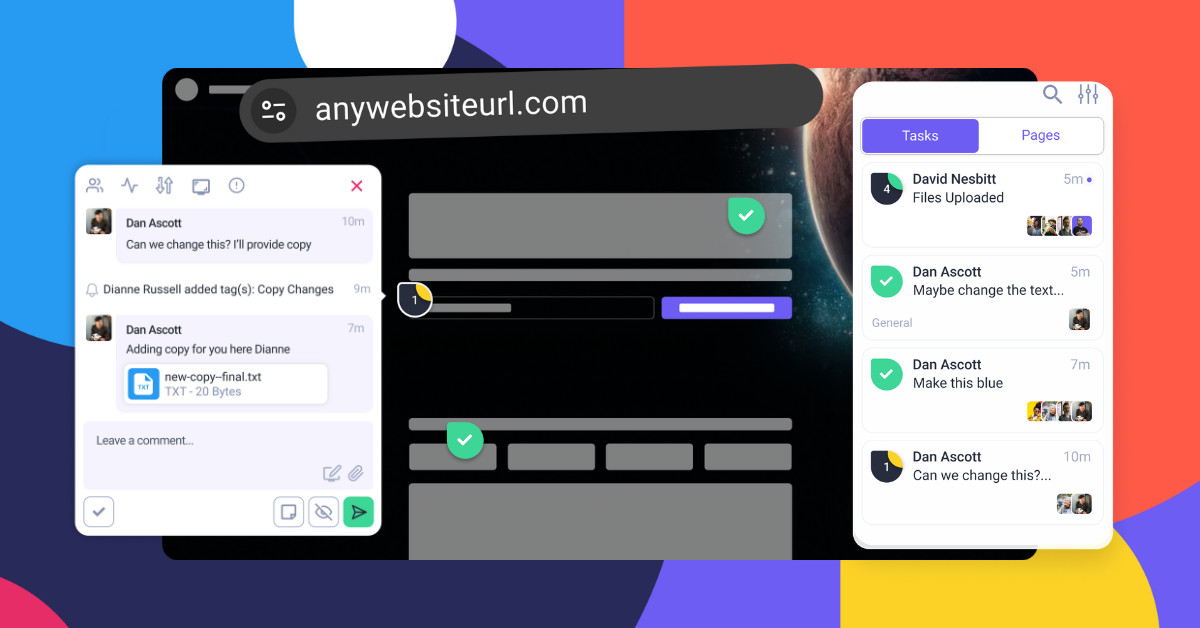
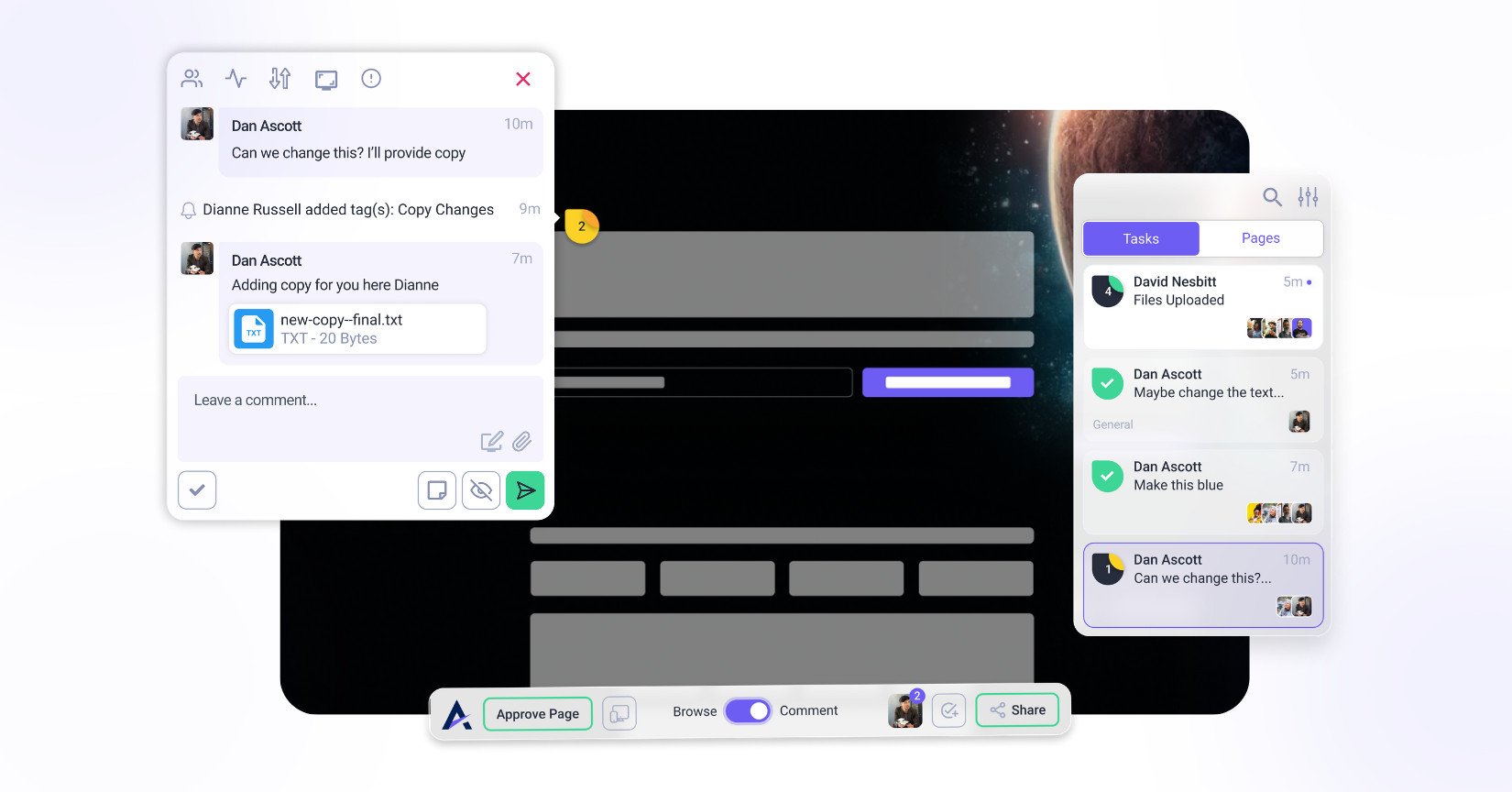
Clients could click on the exact part of a website they wanted changed and just leave a comment right there on the spot. No more “the third section, no wait, the fourth, the one with the blue button, no, the other blue button.”

You just point at the thing and say what you want.

I’ve always thought about what we do at Atarim as simply digitizing human experiences. And honestly, pointing at something and asking for it to be changed is about as human as it gets.

That instinct is the whole heart of the product.

Looking back, it sounds kind of obvious. But at the time, nobody was doing it. And the agencies who tried it? They never went back.

You Built This Before We Did

I don’t like to think we built the audience. You did.

Agency owners told other agency owners. WordCamp speakers were mentioning us from the stage without us ever asking. We’d sponsor an event and people would wander up to the booth going “oh, you’re the comment-on-the-website people.”

Then COVID hit.

We’d put a huge bet on WordCamp Asia in early 2020. We’d booked the flights, designed the booth, and shipped the swag (a huge amount of money worth of swag actually). 

We were less than a year old, and I was terrified that this was the end of the business before we could ever really get started.

So I asked the team: what if we still bring people together anyway?

That became the first Web Agency Summit. And on day one, we crashed our own platform because way more people showed up than we’d thought. For a couple of hours we were in full crisis mode, pulling in help from people across the industry who dropped what they were doing to jump on a call with us. We got it stable. Everyone saw every talk we promised and damn we had a lot of fun our first year.
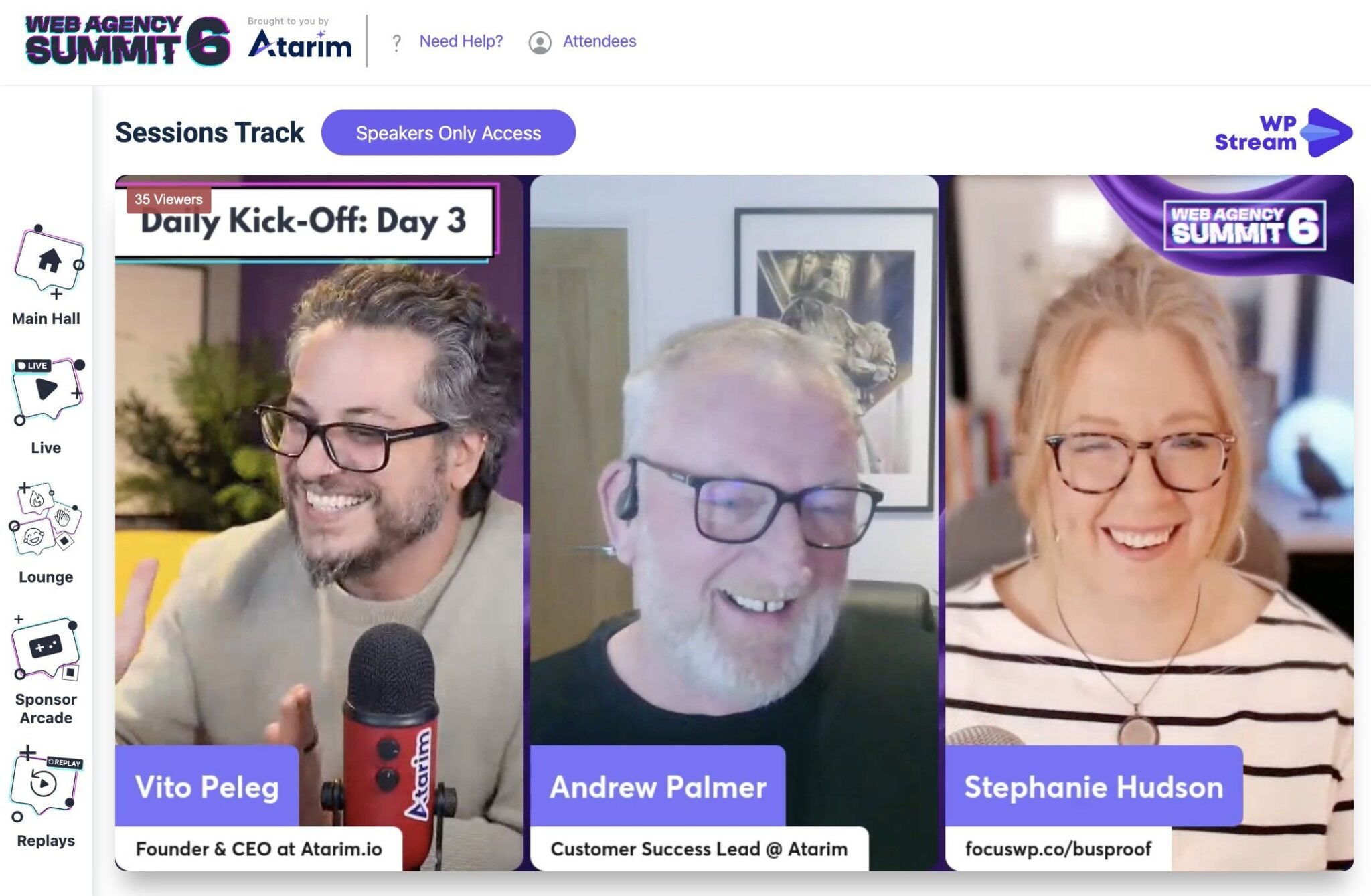
Six years later, it’s the biggest event in our space. It happened because the community refused to let it not happen.

The Bet I Made In 2021

Around the same time, my long-time friend Andrew Palmer and I launched Bertha AI.

We were very lucky to be among the first 1,000 people to get access to GPT2 and back then ChatGPT hadn’t existed yet.

Andrew & I were very excited because we knew the biggest bottleneck in every website project we’d ever worked on was content. Clients couldn’t write it. Agencies couldn’t get it out of clients. Projects sat for weeks waiting for copy and we had solved it.

So we built Bertha. The world’s first AI writing assistant inside WordPress. Woo! (and the second inside Chrome!)

Bertha lived right inside the editor our customers already used. Hit a button, and Bertha would generate headlines, body copy, alt text, blog posts, the lot. She cut the time agencies spent on content by something like 90% when we did the research.

I pulled back from Bertha in early 2022 to focus on Atarim, and Andrew took the reins. We got destroyed by ChatGPT, but she’s still loved by the people who use her.

I learned a lot about building & working with AI from Bertha.

The Pivot I Refused To Rush

There’s a reason I waited a few years before adding AI to Atarim. There was no shortage of pressure to ship something fast, but I didn’t want to add it just to say we had it. I wanted to wait until we could do something that actually helped.

So we held off until the tech caught up enough to solve something real for the agencies who trust us with their work.

Then the models got good enough to see and understand a high-res mockup the way a designer would, and that’s when I knew it was time.

In October 2025, we launched the InnerCircle.

Six AI agents named Index, Pixel, Glitch, Lexi, Navi, and Claro, each with deep expertise in design, UX, SEO, front-end development, accessibility, and project management. 

They don’t sit off to the side as a separate chatbot. They live inside your projects with you, review your work in context, and give you the kind of feedback you’d expect from a senior teammate who actually understands what you’re trying to build.

We didn’t add AI to Atarim. We built a creative team that lives inside it and that was freaking cool!

What 7 Years Looks Like From Here

Which brings me to what’s next. 

The InnerCircle was step one: a creative team that reviews your work right alongside you. 

With v5, they stop just pointing things out and start doing the work with you, inside your projects, the same way a real teammate would. Flag a button that’s misaligned, a page that loads slow, a headline that falls flat, and they’ll go in and fix it inside the live project, then show you exactly what changed before anything ships.

That’s all I’ll say for now. But it’s the biggest leap we’ve taken since “click on the damn website,” and I think it changes what running an agency even looks like.

I am really excited to get this in your hands later this month.

Huge heartfelt thank you to you, the community, and everyone who’s been along for the ride these last seven years. I am so thankful for what we’ve built together.

Here’s to year eight. Let’s build it together.

Vito

Beyond Speed: How Autonomous AI and Staff augmentation Are Rewriting the Rules of Digital Execution

Innovation isn’t slowing down, so why are your systems still built to wait?

While some teams are launching features in days, automating QA, and resolving UX issues before anyone notices, others are still stuck in decision bottlenecks, waiting on hiring approvals, switching tools, or reworking deliverables due to vague feedback.

This isn’t just inefficiency. It’s a strategic liability.

In today’s fast-moving digital landscape, the ability to execute quickly and adapt instantly isn’t just a competitive edge. It’s a requirement. The most forward-thinking organizations are embracing a hybrid delivery model built on two key components:

  • Autonomous AI that actively performs meaningful work
  • Staff augmentation that extends internal teams with specialized expertise when and where it’s needed

This approach isn’t about hype or outsourcing. It’s a smarter, more adaptive way to operate.

From Static Teams to Modular Systems

Modern innovation isn’t just about having talented individuals. It depends on having systems that remove friction, shorten feedback loops, and deliver consistent results, even under pressure.

The emerging model for digital execution looks more like a dynamic ecosystem than a traditional org chart:

  • Core teams lead with strategy, prioritization, and decision-making
  • AI agents handle repetitive or technical tasks at scale
  • External experts plug in when needed to support critical execution

This modular setup allows companies to move faster, respond to shifting demands, and scale capabilities without growing bloated teams.

The Two Forces Behind Faster Delivery

Let’s take a closer look at how this new model actually works, and why so many traditional teams are falling behind.

1. Autonomous AI

Today’s AI is more than a helpful assistant. It plays an active role in execution, constantly scanning for issues, recommending actions, and even triggering automated workflows.

These systems can:

  • Identify UX or SEO problems before launch
  • Run performance tests across countless devices
  • Turn vague stakeholder input into clear, actionable tasks

Platforms like Atarim use dedicated AI agents to handle tasks such as design audits, SEO checks, and UX optimization. This can reduce delivery time by up to 70 percent.

AI doesn’t replace creative talent. It frees people from repetitive tasks, speeds up delivery, and helps teams stay focused on high-value work.

2. Staff Augmentation

Even with great tools, projects often hit delays due to skill gaps. Hiring takes too long, but the need is immediate.

Staff augmentation solves this by giving teams instant access to specialized expertise. Professionals are brought in for a specific purpose and integrated directly into the existing workflow.

This approach allows teams to:

  • Add expertise for high-impact sprints or urgent challenges
  • Avoid long-term costs or growing internal headcount
  • Scale with demand, without compromising quality

The goal isn’t to outsource responsibility. It’s to make internal teams more effective by reinforcing them with the right talent at the right time.

Take Multidots, for example, a trusted WordPress VIP agency known for delivering enterprise-grade engineering talent on demand. Teams can rely on them to fill critical gaps quickly and effectively, without the friction of traditional hiring cycles. 

When used strategically, partnerships like these accelerate progress and elevate quality across the board.

Human and AI Collaboration in Action

Real progress happens when AI and external specialists work together inside a connected system.

Imagine a workflow where:

  • AI agents scan every new page for load time issues
  • A technical expert jumps in to fix a bottleneck
  • Designers adjust visuals based on real-time engagement metrics
  • Everyone works within the same platform, no endless Slack threads or status updates needed

That’s the kind of delivery environment Atarim helps create, where AI, core teams, and skilled professionals all contribute in sync.

It’s Not Just About Speed. It’s About Strategy.

Traditional models ask teams to push harder, hire more, and work within fixed roles. The modern model is built for responsiveness.

  • AI handles scale, repetition, and technical tasks
  • Augmented talent provides targeted support when needed
    • Core teams make faster decisions with more context

This isn’t about replacing people. It’s about making sure they spend their time where it matters most.

How to Start Small and See Results Fast

You don’t need to rebuild your team structure or workflow from the ground up. Here’s how to test this model in a practical way:

  1. Pick a friction-heavy process, like QA, SEO updates, or client feedback loops
  2. Add an AI agent to handle or assist with routine steps
  3. Bring in one expert to help close a skills gap or resolve a backlog item
  4. Compare output before and after

In most cases, you’ll see measurable gains in just a few weeks.

Final Word: Execution is the New Strategy

The organizations that are winning today aren’t just the most innovative. They’re the ones who can consistently bring ideas to life faster than the rest.

In this environment, execution isn’t something that happens after the plan. It is the plan.

If your delivery model still relies on legacy systems, rigid roles, and siloed tools, it’s time to rethink how your team gets things done.

With the right combination of AI and specialized human input, you can move faster, work smarter, and adapt instantly to whatever comes next.

Wondering what this looks like in practice? Tools like Atarim are making it easier than ever to streamline collaboration between AI and human expertise.

Meet Your New Agentic Creative Team! Early Access is open.

Are you ready to be part of the future of how creative work gets done?

Whether you’ve been with us since the WP Feedback days or you’re just discovering Atarim now, I’m beyond excited to write this post, because this week marks a massive milestone for our platform. And I am so happy you’re a part of it.

We’re launching something that will completely change how creative teams review and deliver work online. And trust me when I say:

I want you to be one of the first to test this new technology.

Six years ago, I launched our very first solution, WP Feedback. The goal back then was simple: fix client communication for web agencies.

I’d spent years building websites for clients. I ran an agency. And like most people in this space, I was constantly battling delays, vague revision requests, endless back-and-forth, and last-minute QA chaos. It felt like I was doing more project babysitting than actual design work.

That pain, the kind you know all too well, is exactly what led to Atarim.

We centralized feedback. Streamlined collaboration. Removed friction wherever we could.

But even then, we knew that was just one piece of the puzzle.

The Next Leap: Atarim AI

Today, we’re making the biggest leap in collaborative web design.

We’re introducing Atarim AI. Not a chatbot. Not a bolt-on. This isn’t about riding the AI wave. From day one, I said we’d only use AI if we could do something truly game-changing. I am thrilled to say we have.

We’ve built AI collaborators that quietly work alongside you, reading your code, scanning your layout, and checking over 2,500 elements on every page.

As you design, they flag issues, offer feedback, and help you refine your work, all before a single stakeholder lays eyes on it.

This is multi-human, multi-AI agentic collaboration in real time, and it’s never existed before. Until now.

What once took a full team an entire month can now be done in under a minute. We call them the Inner Circle. Each one has a specific focus, from SEO and accessibility to clarity, functionality, and copy. 

They understand your workflow, speak your language, and appear right where the work happens. They become a true part of your team. If you’ve ever wished for one more set of eyes before launch, this is it. Deliver with confidence, precision, and speed.

What Comes Next

This is your chance to get in before the floodgates open.

I’m inviting you and other creators, designers, and digital teams to join our early access phase.

You’ll be among the first to test them before public launch, help shape how they evolve, and play a direct role in what may be one of the most groundbreaking shifts in creative collaboration to date.

This isn’t a plugin. This isn’t a trend-chasing tool. This is $500,000 worth of creative firepower, fully embedded in your delivery pipeline.

If you’re tired of last-minute bugs, endless revision cycles, and the anxiety of launch-day surprises, this is your chance to help build something radically better, and be the first to benefit from it.

There’s a few other awesome perks:

  • Priority access to the Inner Circle before the public launch.
  • Free AI credits to test and shape the platform.
  • Deep discount on launch for Early Access users.
  • A chance to influence a groundbreaking creative tech shift.

👉 Sign up here to join the early access group and be the first to test this new way to ship projects fast.

We’re building this with the community, and if you’re reading this, you’re exactly who we want at the table.

But the doors are closing soon. Don’t miss your chance to be a part of history.

How Top Creatives Turn Nightmare Clients Into Profitable Projects

One day, everything’s flowing, you’re in the zone, making magic happen.

The next, you’re chasing down a client for copy, fighting through a thread of contradictory feedback, or reworking a third revision you never agreed to.
Sound familiar?

Here’s the hard truth most designers learn the hard way: it’s not the design that breaks your projects. It’s misaligned expectations. It’s nightmare design clients.

After delivering over 600 projects and helping 67,000+ teams through Atarim, I’ve seen what client chaos does to brilliant creatives.

It eats your time. It drains your energy. And worst of all, it crushes your momentum.

But it doesn’t have to be this way.

In this post, I’m going to walk you through the three biggest issues that derail web projects and exactly how to fix them.

The Real Reason Projects Spiral Out of Control

Clients don’t know what goes into building a website. It’s not their fault. You wouldn’t expect your dentist to explain every drill bit. But for some reason, clients feel totally comfortable prescribing design solutions.

This gap, between what they think it takes and what it actually takes, is what I call the perception gap. And it’s the root of so many painful client interactions.

I still remember a discovery call years ago. The brief said “simple marketing site.” Five minutes in, the client said, “Actually, I want something like Facebook, with profiles, feeds, messaging, the whole thing.” Their budget? $1,500.

You can’t make this stuff up.

When I explained that Facebook’s codebase cost hundreds of millions to build, he replied, “Alright… how about $2,000?”

That was the moment I realized most clients simply don’t know what they don’t know. And unless we close that perception gap early, it comes back to bite us every time.

The fix? Educate before you estimate. Every single time.

I started walking clients through a discovery deck, a clean, clear PDF that outlined everything: hosting, security, SEO foundations, UX, performance budgets, maintenance. Then we’d go through it together on a quick call. I’d show them where the work hides.

It wasn’t overwhelming, just a simple document with straightforward language. Clients appreciated the clarity, not complexity.

Once they understood what they were really asking for, scope creep dropped by half. Timelines held. And best of all, I stopped feeling like I was constantly defending my price.

That ten-minute walkthrough became the most valuable part of my sales process.

How Clients Mirror Your Behavior (For Better or Worse)

Here’s something most creatives overlook: the pace you set becomes the pace they expect.

If you reply to their proposal in five minutes, they’ll expect five-minute responses at 11 p.m. But if you take a week to deliver wireframes, they’ll assume that kind of delay is normal.

We call this the leader-follower effect.

Once I realized this, I built a rhythm into every project. I called it the 24–48–24 system.

The first 24?
Send something within 24 hours of kickoff. A wireframe, a welcome doc, even just a kickoff summary. It’s all about momentum. This shows the client you’re on it and instantly builds trust.

The 48?
Deliver something valuable within 48 hours. It doesn’t have to be polished, just proof that things are moving. Early wins prevent second-guessing and silence.

The final 24?
That’s your communication cadence. I started sending short Friday updates to every open client. Three quick sentences:

  • What we did
  • What we’re doing
  • What we need

No fluff. Just clarity. Clients loved it, and more importantly, they stayed engaged.

And here’s the twist: I never replied within 5 to 10 minutes. That way, clients didn’t come to expect instant responses.

The result? My inbox got lighter. Projects moved faster. Trust skyrocketed.

Don’t Skip the Contract, But Don’t Rely on It Either

Let me be blunt. If you are mid-project and reaching for the contract, the relationship is already strained. It means expectations were not aligned, and now you’re trying to enforce terms instead of collaborating on outcomes.

That said, not having a contract at all is worse. Without it, you have no anchor for accountability, no shared understanding of deliverables, and no leverage when timelines slip or clients disappear.

Here’s how I keep it simple and effective:

My Payment Structure: 50, 30, 20

  • 50 percent upfront: This locks in their commitment. When money is on the table, communication improves overnight.
  • 30 percent after mockups: A milestone-based checkpoint that rewards progress and keeps cash flow steady.
  • 20 percent before launch: Yes, before launch. Not “after the site goes live,” not “after testing.” The key is to deliver once you are paid, not promise to get paid once you deliver.

This structure gives you leverage at the right times. You are never chasing invoices, and you’re not holding the bag at the end.

The Scope Creep Clause That Saved My Sanity

I do not use heavy legal language or aggressive terms. I use strategy.

I include a simple clause in the contract that says:
“Requests outside the agreed-upon scope will be added to a backlog and addressed in a separate phase upon mutual agreement.”

It sounds friendly. It is friendly. And it works.

So when a client says, “Can we just add this?”
I do not say no. I say, “Great idea. Let’s add that to Phase Two.”
No pushback. No tension. They feel heard, and I stay in control.

Here is the key: during the project, this backlog naturally fills up with real, billable work, extra pages, animations, marketing flows, campaigns.

Turning Scope Creep Into a Growth Engine

Most freelancers treat out-of-scope requests like a threat. I treat them like an opportunity.

After launch, I follow up with:

“Hey, remember those ideas we bookmarked? Here’s a full list of enhancements we scoped. Want to prioritize a few this month?”

Now you are not chasing new clients, you are deepening relationships.
You are not defending your scope, you are leading with clarity.
And you are not just a web designer, you are becoming a strategic partner.

That is how you turn one project into consistent monthly revenue.

Final Thoughts: You Deserve Better Than Chaos

You didn’t get into web design to beg for assets or chase feedback across 19 email threads.

You did this because you love to build. To create. To help people show up online in a way that makes them proud.

That’s only possible if you put the right systems in place. Educate your clients. Streamline your feedback. Set the tempo. Protect your profits.

When you do that, the chaos fades, and the creativity returns.

And if you want help building those systems faster?

Atarim is built for exactly this. Instant visual feedback. Clear timelines. Automated reminders. A single place for all your client collaboration, from kickoff to launch and beyond.

Thousands of agencies are using it to move faster, finish projects sooner, and actually enjoy the work again.

You can too.

Try Atarim for free and reclaim the joy in your work.

The Silent Killer of Agency Growth: How to Break Free from Unpredictable Revenue

One month you’re thriving, the next you’re scrambling. For many agency owners, revenue feels like a roller coaster, thrilling highs followed by anxiety-inducing lows. 

But here’s the truth: revenue fluctuations aren’t random. They’re the result of specific, fixable problems. In this post, we’ll dive deep into the real reasons agencies struggle with stability and the strategies to create a more predictable and scalable business.

Most agencies don’t have a revenue problem; they have a business model problem. As someone who delivered over 600 web projects and worked with thousands of agencies through Atarim, I know how unpredictable the feast-and-famine cycle can be. But I also know it doesn’t have to be this way.

Let’s break down the three major causes of revenue instability and how to fix each:

1. Relying Too Much on One-Time Projects

When I started my agency, I was passionate about building beautiful websites. I loved the creative process and wanted to move from one project to the next. What I didn’t realize was that this “project-first” mindset was unsustainable. Once a project ended, so did the revenue. That meant constantly chasing new clients just to stay afloat.

Eventually, I learned to package my services into care plans, structured, recurring service offerings that ensured clients had ongoing support and I had steady income.

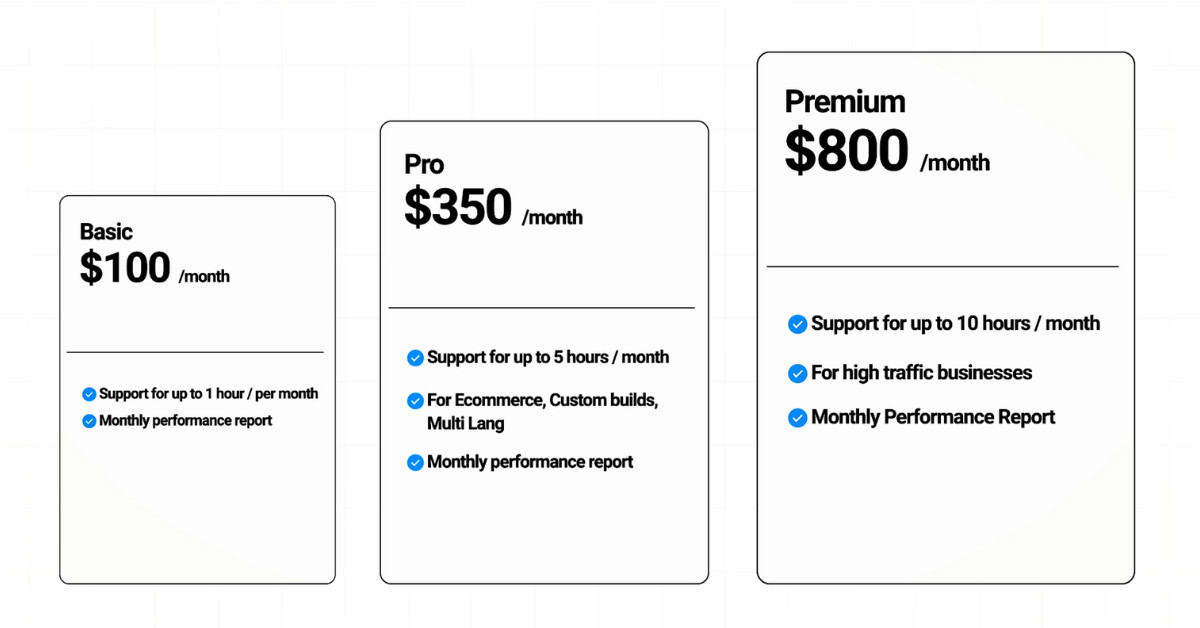
My Care Plan Structure:

  • Basic Plan ($100/mo): 1 hour of support, plugin/theme updates, and a performance report.
  • Pro Plan ($350/mo): 5 hours/month; required for eCommerce, custom builds, multilingual sites.
  • Premium Plan ($800+/mo): 10+ hours of support, ideal for high-traffic businesses needing ongoing optimization.

These weren’t just service packages, they were stability engines. Clients who began on basic plans often upgraded over time. As they grew or needed more frequent updates, it became natural for them to move into higher tiers. And because the value was clearly defined, the upsell felt like a logical step rather than a hard sell.

I also implemented a simple but powerful system to keep clients engaged: if they didn’t use their allotted time in a given month, I didn’t let it go to waste. Instead, I proactively reached out with suggestions, performance audits, user experience improvements, or design tweaks. This consistent, forward-thinking support reminded clients of my value and created momentum for ongoing collaboration.

Over time, I maintained a backlog of enhancement ideas per client. This not only gave me ready-made upsell opportunities, it also made clients feel like I was invested in their long-term success. It turned a reactive service into a proactive partnership.

Takeaway: Productize your services, offer ongoing value, and build relationships that lead to consistent income.

2. Poor Cash Flow Management

Early on, I thought as long as projects kept coming in, everything would be fine. But I learned the hard way that revenue on paper isn’t the same as cash in the bank. Feast-and-famine cycles are often caused by poor cash flow planning.

Strategies That Saved My Agency:

  • Require Deposits: Never start a project without a deposit. This filters out unserious clients and ensures commitment.
  • Use Milestone Payments: Break projects into phases with payments at each stage (e.g., design, development, launch).
  • Stage Projects Strategically: Don’t sell one-and-done builds. Break projects into ongoing phases: Build, Funnels, Optimization.
  • Maintain a Cash Buffer: Always keep at least 3 months of expenses in reserve. It protects you and your team during slow periods.
  • Schedule Weekly Biz Dev Time: Don’t let client work consume all your time. Block out time weekly for sales and marketing.

Takeaway: Cash flow is the lifeline of your agency. Build systems that ensure steady income, even between big projects.

3. Inefficient Project Management

You might be delivering great work, but if your feedback loops are broken and deadlines unclear, you’re leaking profits. One of the biggest time drains is poor feedback collection. Traditional tools (email, spreadsheets, Slack) turn a two-day job into a two-week headache.

People naturally give feedback in short bursts: “Make this bigger,” “Change the color,” “Move this up.” Traditional systems force clients to over-explain. Instead, adopt a visual collaboration system that:

  • Automatically captures screenshots, URLs, and device info.
  • Lets clients leave comments in plain language, right on the screen.
  • Eliminates the back-and-forth and accelerates approvals.

Atarim was built around this philosophy. Embracing natural human communication speeds up projects and removes ambiguity.

Other Key Fixes:

  • Visible Timelines: Make project milestones visible to clients. This shifts accountability and reduces delays.
  • Strategic Scope Creep: Don’t fear scope creep , embrace it as a signal. When a client starts requesting additional features mid-project, it means they trust you and are excited about what you’re building. This is a prime opportunity to turn inspiration into structured upsell opportunities.

When a client dreams bigger mid-project:

  • Validate the idea without committing immediately. Let them know it’s a great idea and worth exploring later.
  • Build a backlog of additional requests. This becomes a roadmap for future work and gives clients a sense that their ideas are being taken seriously.
  • Use the backlog strategically during post-launch reviews or check-ins. Present these ideas as “Phase 2” or “Growth Opportunities” to continue the engagement.
  • Train clients to expect structure. Make it clear that any out-of-scope request will be quoted and scheduled properly, ensuring both expectations and profitability are managed.
  • Position new work as value-driven. Connect each enhancement to a measurable benefit, such as better lead generation, improved UX, or faster performance.

Takeaway: Streamlining project management reduces delays, boosts profits, and strengthens client relationships.

Final Thoughts: Building a Predictable Agency 

Stability isn’t just about increasing your income, it’s about gaining peace of mind.

When you implement recurring revenue models, take control of your cash flow, and tighten up your project management, you’re not just staying afloat, you’re creating the conditions to scale, to delegate with confidence, and to step fully into your role as a leader.

I recently recorded a deep dive on this topic — and if you’re serious about unlocking more freedom in your business, you won’t want to miss it. Click here to watch.

Want to put these strategies into action faster?

Atarim was built to help agencies like yours slash project timelines, reduce friction, and improve client communication. From instant, visual feedback to shared timelines and streamlined workflows, it replaces chaos with clarity.

Thousands of agencies use Atarim to move faster, keep clients happy, and unlock more profitability with every project.

Try Atarim today and start building a more efficient, scalable, and profitable agency.

Omnisend at the Web Agency Summit 2025: Empowering Web Professionals to Drive Ecommerce Growth

The Atarim Web Agency Summit 2025 brought together thousands of web professionals from around the world for a five-day virtual experience centered on innovation, growth, and collaboration. As the summit’s largest sponsor, Omnisend made a bold statement, not only through our virtual presence, but through powerful conversations and thought leadership that left a lasting impact on the digital agency community.

Whether you’re a freelancer, agency owner, or marketing consultant, the summit offered a unique opportunity to explore new ways of delivering exceptional value to ecommerce brands. For Omnisend, it was a chance to show how email and SMS marketing can become a true growth engine for client success and agency profitability.

Sparking Conversations That Convert

From day one, Omnisend’s virtual booth was buzzing. Attendees came ready to explore how automated email and SMS campaigns could be used to create meaningful customer experiences and tangible results.

What stood out most was the depth of the conversations. Web professionals weren’t just browsing, they came prepared with strategic goals, looking for ways to scale client results and streamline communication workflows.

The focus? Marketing automation and smart segmentation.

Our team walked booth visitors through the ways Omnisend makes automation simple and effective: from pre-built workflows that recover abandoned carts to advanced audience segmentation that ensures hyper-relevant messaging. For many attendees, this sparked a powerful realization: with the right tools, email and SMS can be low-effort, high-impact channels that help clients retain more customers and boost lifetime value.

Two Speaker Sessions. One Powerful Message.

A highlight of Omnisend’s presence at the summit was our speaker sessions, which drew strong attendance and rave feedback. Each talk tackled a critical issue agencies face: how to drive recurring revenue and improve client retention.

  • Rytis Lauris, Omnisend CEO, shared insights into how agencies can stay ahead in a competitive landscape by offering value-driven, retention-focused services. His session explored key industry trends, automation strategies, and client success stories that demonstrated the real-world power of lifecycle marketing.
  • Greg Zakowicz, Senior Ecommerce Expert at Omnisend, led a practical, agency-focused session that unpacked the mechanics of building retention-focused marketing services. With actionable examples and a touch of humor, Greg showed attendees how to turn automated email and SMS into a revenue stream that keeps clients loyal.

Together, these sessions echoed a single, resonant theme: helping your clients grow doesn’t need to be complicated. It just needs to be smart.

Introducing the Omnisend Partner Program: Your Next Growth Channel

Beyond the summit sessions and booth conversations, we used the event to spotlight something we believe every agency should explore: the Omnisend Partner Program.

Designed specifically for digital agencies and web professionals, the program makes it easy to add a high-performance email and SMS platform to your tech stack, with rewards that go beyond client success.

Here’s what you get as a partner:

  • 20% lifetime revenue share for every client you refer
  • Qualified leads from ecommerce brands looking for expert marketing help
  • Dedicated partner managers who support your success at every step
  • 24/7 priority support, exclusive training, and co-marketing opportunities

Whether you’re building retention strategies for DTC brands or managing full-scale ecommerce marketing for clients, Omnisend makes it simple to deliver results and get rewarded. No complicated certifications. No jumping through hoops. Just a straightforward path to more revenue and stronger client outcomes.

Learn how Enflow Digital helps brands scale with Omnisend

See how Vyber Media boosts client growth with email and SMS

Explore the Omnisend Partner Program

A Community Committed to Growth

What makes the Web Agency Summit so special isn’t just the sessions or sponsorships, it’s the spirit of collaboration. This year’s summit was a testament to the drive, creativity, and ambition of the web professional community.

At Omnisend, we’re proud to be part of that community. We believe the future of ecommerce growth lies in strong agency-client partnerships, powered by tools that make marketing easier, faster, and more impactful.

Our time at the Atarim Web Agency Summit confirmed what we already knew: when agencies are equipped with the right platforms and support, their potential to help ecommerce brands thrive is limitless.

Final Thoughts

If you missed us at the summit, it’s not too late to discover what Omnisend can do for your agency. Whether you’re new to email and SMS or looking to level up your client offerings, we’re here to help you grow.

Let’s turn conversations into conversions, together.

Join the Omnisend Partner Program today

The Real Reasons Web Projects Get Delayed and How to Prevent Them

When a web project falls behind schedule, it’s rarely because of some unexpected catastrophe. More often, it’s the slow creep of miscommunication, the vague brief that never got clarified, or a moment of lost momentum that derailed weeks of effort.

After leading the delivery of more than 600 projects and building a platform that supports tens of thousands of creative professionals around the world, we’ve learned what causes these delays, and more importantly, how to fix them.

In this article, I’ll walk through the three most common causes of project delays, how to identify them early, and how structured systems, thoughtful planning, and the right tools can help any team stay on track.

1. Lack of Clarity: Poor Discovery Leads to Slow Projects

One of the most common ways to derail a project is to start without full alignment. When the team is unclear about what success looks like, what the final deliverable should accomplish, or even why it’s being built in the first place, problems begin to pile up quickly.

At Atarim, we rely on what we call the six P’s: proper planning prevents poor performance. This mindset ensures that every initiative starts with a strong foundation.

Here is what that foundation includes:

  • A single-sentence summary of the deliverable
  • Alignment with the broader product or business strategy
  • A clear list of anticipated benefits and outcomes
  • A review of competitors and sources of inspiration
  • Success metrics defined upfront
  • Identified risk factors and technical concerns
  • A breakdown of user personas and their goals

This process applies whether we are launching a new product feature or delivering a website for a client. In both cases, clarity drives faster outcomes.

To speed up this planning process without sacrificing depth, we also use a dedicated internal AI system trained on our platform and workflows. It helps us create these discovery documents more efficiently while ensuring alignment with our long-term vision.

Skipping these steps often results in miscommunication and rework. When that happens, timelines stretch and trust erodes. A little upfront effort in discovery pays off significantly down the line.

2. Unstructured Feedback Cycles: The Invisible Delay

Another major contributor to delays is the lack of structure around feedback. In many teams, feedback is inconsistent, unclear, or arrives too late. The result is confusion about what is approved, what needs revision, and when things are supposed to move forward.

This problem can manifest in several ways:

  • Stakeholders do not know when their feedback is expected
  • Teams do not clarify the type of input they need
  • Feedback cycles drag on while development continues, introducing risk

You have to have your processes in place to deal with these things. Atarim addresses this by integrating feedback directly into the product workflow. Clients and team members can leave visual comments directly on live websites or mockups, creating instant clarity. 

Instead of collecting vague comments by email or on spreadsheets, every piece of feedback is tied to a specific task, location, person, and deadline.

Overcommunication always helps. Mapping out milestones, sharing them with stakeholders, and actively managing each stage avoids the cycle of endless revisions and missed expectations.

3. Loss of Momentum: How Projects Drift Off Course

Even with strong discovery and well-managed feedback, projects can still stall if momentum is not protected. This is particularly common in agencies that manage multiple clients simultaneously. A project might start strong, only to sit idle for days or weeks while waiting for client input or internal reviews.

The longer a project sits untouched, the harder it becomes to restart. This leads to compounded delays, as team members shift their focus elsewhere and clients lose urgency.

Momentum must be actively maintained. One way to do this is by setting aggressive but achievable delivery schedules right from the start. For example:

  • Client signs agreement on Monday
  • Discovery call is held on Tuesday
  • Initial deliverable is sent by Wednesday morning
  • Feedback is requested that same day

This rapid cycle creates a pattern of responsiveness and engagement. It also establishes credibility early in the relationship. The project feels alive and important, and both the team and client are more likely to stay focused.

We often compare this to a banking relationship. At the start of a project, the client has already made a withdrawal by paying a deposit. From that moment forward, it is up to the team to make consistent deposits of value in the form of progress, clarity, and deliverables.

Doing so builds goodwill, reinforces trust, and keeps the project on track.

Scope Creep is Not a Problem, Poor Management Is

One final note worth addressing is scope creep. Many teams view it as a threat to timelines and profitability. But with the right systems, scope creep can become a strategic opportunity.

If a client or stakeholder requests something new mid-project, that interest should be welcomed. It means they are engaged and thinking creatively.

Rather than saying no, we recommend a “not right now” approach. Log the request, tag it as a future phase, and schedule a follow-up conversation post-launch. This approach creates a backlog work for you and your team during slow months.

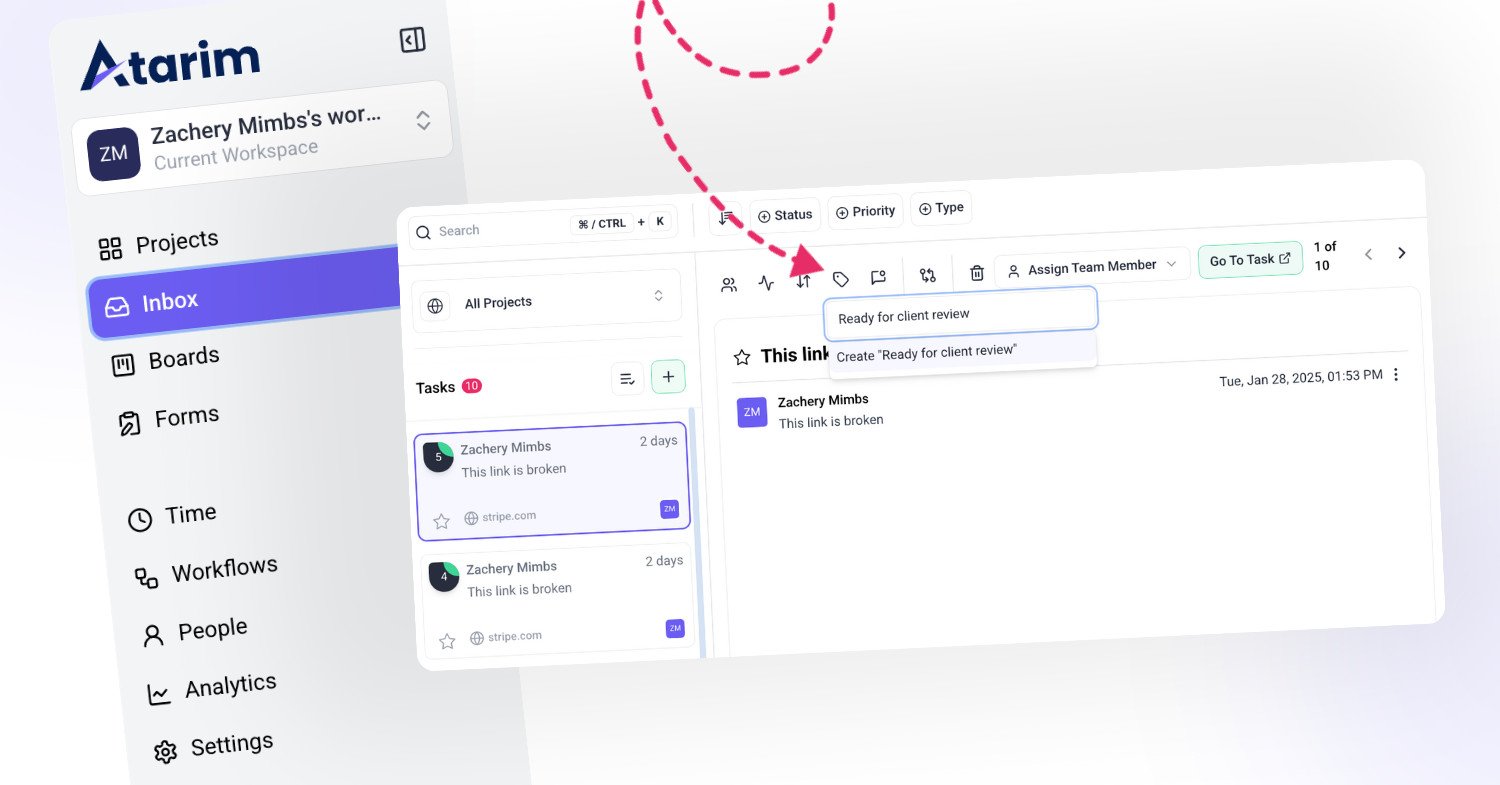
Inside Atarim, tasks can be tagged, categorized, and filtered easily. That means teams can maintain the current scope while capturing new ideas for later expansion. This not only protects the project timeline but often leads to increased client retention and follow-on work.


Turning unexpected ideas into structured plans is a mark of a high-performing team.

Conclusion: Delays Are a Choice, Not a Destiny

Every project faces risks. But missed deadlines, excessive revisions, and stalled momentum are not unavoidable. They are almost always the result of preventable gaps in planning, communication, and process.

At Atarim, we’ve built our platform around solving these exact problems. We believe that creative work should be fast, clear, and collaborative. The right tools, combined with proven workflows, can dramatically reduce delays and improve client satisfaction.

The most successful agencies and product teams are not the ones with the most talent or budget. They are the ones who build systems that prevent delays before they start.

Next Steps

If your team is ready to streamline discovery, eliminate guesswork in revisions, and deliver faster without sacrificing quality, Atarim can help.

Click here to add your first website and take the next step toward more predictable and profitable project delivery.

What Actually Happened at Hosts del Mar 

Two weeks ago, I had one of the most unforgettable experiences, surrounded by some of the industry leaders in the hosting space.

When we first envisioned Hosts Del Mar, the goal wasn’t to create just another business event. There are plenty of those already.

So, we asked: What would happen if we removed the fluff and focused on raw connections?

No talks. No keynotes. No booths. Just real people, meaningful conversations, and genuine connection.

We knew this couldn’t be just another industry event. So we partnered with the incredible team at Monarx, a cybersecurity company that, like us, believes the heart of tech isn’t just about infrastructure or innovation, but the people behind it.

Together, we crafted something truly special: Hosts Del Mar, in the beautiful island of Ibiza. A fun meetup of thirty of the most influential leaders in web hosting, coming together for meaningful conversations, shared experiences, and the kind of authentic connection that only happens when you leave “the schedule” behind.

group photo of everyone at the event

When the weekend finally arrived, it exceeded every expectation. Imagine sun-drenched terraces, laughter echoing over Mediterranean views, guitars strummed into the breeze, and conversations that ran long into the night. 

Without a single sales pitch, networking happened. The kind that’s built on trust and shared vision.

One evening, I looked around and realized something profound had happened. The conversation had shifted from features to philosophies. From scaling infrastructure to scaling people.

We talked about everything: mental health in leadership, the loneliness of founders, and the challenge of driving true innovation in a world full of noise. There was a rare depth, the kind that can’t be scheduled into a 45-minute keynote.

In one of those quieter, more introspective conversations, I shared a bit of our journey at Atarim.

We started with a simple goal: help creatives manage client feedback more efficiently. From day one, it was a focused effort to solve a specific problem we knew firsthand, and it resonated. Today, Atarim powers collaboration for over 50,000 teams across the globe.

As we explored other ways to scale website creation effectively, the conversation naturally turned to the force reshaping nearly every corner of tech right now: AI.

GoDaddy’s Aero, Hostinger’s AI builders, the whole wave of automation tools. There’s a lot of excitement happening in the industry.

But I offered a grounded reminder: even with the best AI, most people still don’t finish their websites.

More than 80% stall out, not because the tools aren’t good, but because clarity and guidance are rare.

Atarim doesn’t just provide tools. We build the workflows, the feedback loops, the collaboration structures that keep projects moving.

As I shared with the group:

“Build more roads, and you get more cars. The same goes for websites. Easier creation means more websites… but also more chaos. That’s where professionals still matter.”

The Eagle Has Landed

During the gathering we had the privilege of hearing from Eddie the Eagle, the legendary underdog who defied expectations and soared into Olympic history. 

In a heartfelt session, he opened up about failure, grit, and the importance of trying, even when the world expects you to fall.

Andrew Palmer & Eddie the eagle

The session was hosted by our very own Andrew Palmer, Customer Success Manager for Teams. 

Watching Eddie reflect on his improbable journey and seeing how it resonated with founders and execs alike reminded us that courage, not code, often determines success.

But we didn’t stop at inspiration, we added some rock and roll to the mix.

We were treated to a private rock art tour by Lynn Goldsmith, iconic rock photographer, and Marky Ramone, legendary drummer of The Ramones. They showcased their art exhibitions and a rare collection of memorabilia from decades at the heart of music history. 

As I walked through the exhibits, what struck me most was how raw and unfiltered everything felt. Lynn’s portraits didn’t just document music history, they told stories of rebellion, vulnerability, and the chaotic beauty of creative lives lived loud. Marky’s reflections were equally powerful, a mix of humor, grit, and punk wisdom from someone who helped shape a movement. 

And then came the Lords of Uptime, the unofficial CloudFest band, featuring Marky Ramone, & Cherie Currie (of The Runaways).

I’ve played guitar with the band for years, and every time is special. But something about this night, under the Ibiza stars felt different.

Hosts Del Mar wasn’t your typical business event. I think that’s pretty clear by now. We were not afraid to let loose, have a little fun, and to do things differently. So when the band plugged in and we hit that first chord, everything else faded. 

The planning, the pressure, the job titles, all of it melted away. What filled the room instead was music, energy, and the kind of anticipation you can feel in your chest.

For that hour, there were no panels, no pitches, no small talk. Just a group of people, leaders, founders, friends, completely in the moment. Singing, moving, connecting through something bigger than any agenda.

This wasn’t a break from the event. It was the heartbeat of it. A reminder that the most powerful moments aren’t the ones you plan. They’re the ones you feel. You show up, turn it up, and let it carry you.

Why Hosts Del Mar Mattered 

This weekend was definitely one for the books. It showed that when you invest in relationships, without trying to extract value from them, you build something far stronger.

We didn’t need flashy stages or elaborate sponsor decks. All we needed was space. Physical, emotional, and professional. Space to just be.

Monarx brought their ethos of thoughtful security. We brought our commitment to collaborative clarity. And together, we sparked something that could reshape how our industry connects, supports, and grows.

As I reflect on that weekend, between the music, the laughter, the vulnerability, the fire in the conversations,  I’m more convinced than ever: The future of web hosting isn’t just about servers or software. It’s about people who trust each other enough to build together.

Want to See What Happens When Human-Centric Collaboration Scales?

Explore how Atarim is helping top-tier hosts deliver high-volume website services with unmatched speed and clarity.

If you’re curious about how Atarim might work for your team, reach out to us.

Let’s make you the hosting provider of choice for agencies.

Empowering Web Professionals: GoDaddy’s Impact at the Web Agency Summit and Beyond

In the ever-evolving digital landscape, few events bring together the web professional community like the Web Agency Summit. As agencies, freelancers, developers, and marketers gather to exchange knowledge, discover tools, and explore partnerships, it continues to be the centre of the digital calendar.

This year, GoDaddy took center stage not just as a sponsor but as an active collaborator in the growth journey of web professionals. Through its immersive presence, compelling sessions, and newly launched GoDaddy Agency program, the company demonstrated its deep commitment to empowering those who build, manage, and optimize the web for others.


A Summit Experience Rooted in Connection and Value

GoDaddy’s participation at the Web Agency Summit was designed with intention: to meet professionals where they are, provide them with tangible tools to succeed, and foster authentic, long-term relationships across the community. From virtual booths to expert-led sessions, GoDaddy’s presence was everywhere, and so was its impact.

With thousands of attendees joining virtually from around the world, GoDaddy’s team seized the opportunity to showcase solutions built for agencies of all sizes. Whether for solo freelancers or growing digital agencies, GoDaddy showed they were there to help businesses win more clients, streamline your workflow, and scale your business.


Engaging at the Virtual Booth: Solutions That Matter

One of the standout components of GoDaddy’s presence was its bustling virtual booth. Attendees engaged directly with team members to explore a robust suite of tools crafted for web professionals. Highlights included:

  • The GoDaddy Pro Hub: A mission control center for agency professionals, the Pro Hub centralizes client management, updates, billing, and reporting. It’s a must-have for professionals juggling multiple projects and clients.
  • Airo™ Site Optimizer: Save time by scanning your client site pages to receive AI-powered recommendations for SEO, accessibility, and content based on individual page goals you create. 
  • Client Market Research Tools: GoDaddy’s growing suite of insights tools enables agencies to understand client needs, user behavior, and market positioning with greater precision, arming them with data to craft smarter strategies.

At the booth, the GoDaddy team wasn’t just pitching features, they were having real conversations. From platform walkthroughs to personalized demos, it was clear that every interaction aimed to empower attendees with practical solutions they could use immediately.


Incentives That Deliver Real Value

GoDaddy’s generous giveaways added a layer of excitement to the summit experience, but these weren’t just swag-and-go handouts. They were thoughtfully designed to help agencies succeed:

  • 1-Year Free Managed Hosting for WordPress: A tangible head start for freelancers and agencies looking to launch a new client project or upgrade an existing one.
  • GoDaddy Swag Boxes: Packed with gear, inspiration, and a personal touch—because sometimes a bit of delight goes a long way in building relationships.
  • Product Discounts and Service Bundles: Tailored deals on tools that professionals already rely on, designed to lower barriers and increase access.

More than freebies, these offers represented GoDaddy’s ongoing investment in helping professionals scale efficiently and affordably.


GoDaddy Agency: A Program Built for Growth

The highlight of GoDaddy’s summit presence was the introduction of the GoDaddy Agency program, a major evolution in how GoDaddy partners with the web professional community. This isn’t just another affiliate model or tools suite; it’s a full-service ecosystem designed to help agencies grow.

Let’s unpack why this program is a game-changer.

A Direct Pipeline to Qualified Leads

One of the most unique benefits of the GoDaddy Agency program is its access to real, pre-qualified leads. Many small and mid-sized businesses reach out to GoDaddy every day for design, development, and digital marketing support. Through the Agency program, GoDaddy connects these businesses directly with trusted agency partners.

This positions GoDaddy as more than just a service provider, it becomes a lead generation engine for your agency.

Deep Alignment with Agency Needs

A Promethean Research study highlighted two major growth drivers for agencies: expanding service offerings and increasing client referrals. The GoDaddy Agency program addresses both. By connecting agencies with ready-to-buy leads and supporting them with scalable, high-impact tools, GoDaddy is helping solve real growth challenges faced by professionals today.


Educational Value: The GoDaddy Session

A major highlight of the summit was the session led by Adam Warner and Joseph Palumbo, titled “Unlocking the Benefits of the GoDaddy Agency Program.” This wasn’t a sales pitch, it was an in-depth, value-packed conversation that gave attendees actionable insights.

Attendees learned how to:

  • Streamline their client management workflows using GoDaddy’s Pro Hub.
  • Leverage client insights to make more strategic business decisions.
  • Maximize revenue by incorporating GoDaddy tools into their service stack.
  • Differentiate their offerings with GoDaddy’s premium hosting and optimization tools.

The session stood out for its transparency, depth, and authentic focus on helping professionals succeed in real-world scenarios. It set the tone for what GoDaddy’s involvement in the web professional space is really about: enabling success at scale.


Final Thoughts: A Summit That Meant Business

GoDaddy didn’t just attend the Web Agency Summit, they elevated it!

From strategic sessions and innovative tools to community giveaways and real-world lead generation, every part of their presence reflected a singular goal: to empower web professionals with everything they need to succeed.

Whether you’re just starting your freelance journey or scaling a multi-person agency, GoDaddy has made it clear, they’re in your corner.

If you’re ready to grow your impact, increase your client base, and streamline your operations, now is the time to explore the GoDaddy Agency program.

You can sign up right now using this form.

The opportunities are real. The support is robust. And the future is wide open!

Our Revamped Interface Has Landed: An Enhanced Experience for Teams and Clients

Here at Atarim, we’re always pushing forward to make life easier, smoother, and more productive for agency owners, teams, and enterprises who rely on our platform to deliver high-quality web projects efficiently.

And now, we’re beyond excited to announce something huge. We’ve just rolled out an entirely built from the ground up URL collaboration experience that’s designed to be faster, sleeker, and more powerful than ever.

Built From Scratch: The New Collaboration Engine

This isn’t your typical “under-the-hood” update. We’ve done a near-total rebuild, about 99% of the code has been rewritten, giving us a brand-new foundation for speed, scalability, and simplicity.

Why did we do this?

Because we wanted to bring you a version of Atarim that:

  • Loads faster
  • Feels smoother
  • Works better on every screen size
  • And is built to evolve even faster moving forward

The result is a leaner, cleaner, and more powerful collaboration experience

What else is new? Let’s break it down:

Real-Time Updates & Visual Feedback

Recent updates to the share modal and visual feedback flow have enhanced clarity and efficiency across key interactions, such as sending requests and commenting on tasks. The ability to leave contextual feedback by clicking anywhere on the page remains, now with a smoother and more responsive experience.

Translations: A Brand-New Addition

With a click, you can switch the interface language, making it easier for global teams and clients to navigate and leave feedback in their preferred language.

Smarter Task Control

The latest updates bring a more powerful and streamlined way to manage tasks within the Visual Collaboration interface. Improved filtering and visibility across tasks and requests help ensure that nothing falls through the cracks. And when it comes to leaving new requests, the process is now more fluid, even while actively browsing live pages. 

New Sticker Behavior

Stickers have been enhanced to provide a more intuitive interaction. Now they can be dragged temporarily and will reset to their original position when clicked again or when the page is refreshed. On hover, sticker opacity fades to reveal the underlying UI, and clicking a sticker now toggles the task popover for even smoother feedback navigation.

Auto Screenshot Modal

We’ve introduced a more reliable method of screenshot capture that clearly highlights the selected area during task creation, with an easily accessible preview shown immediately as you create the task.

Image Annotation Modal

Completely rebuilt from the ground up, the new annotation experience is smoother and more stable, making it much easier to create detailed mockups when giving precise visual feedback.

Improved Task Cards

The new task card layout brings more context at a glance, showing read and unread status, user name, timestamp, a title preview, tags, and user avatars. When you hover over a timestamp, you’ll now see the exact date the task was created, and a visual orphaned task indicator alerts you if a task has lost its original location.

A New Era for Client Collaboration

This release puts clarity and efficiency at the forefront: fewer clicks, quicker insights, and smoother collaboration. With redesigned interface elements and improved mobile responsiveness, every enhancement supports a faster, more intuitive workflow. And this is only the first step in a much bigger evolution.

Final Thoughts

While this phase focuses exclusively on URL-based collaboration, the same engine will soon power WordPress, Image, and Chrome Extension collaboration methods, all with consistent UI, powerful task logic, and seamless project feedback capabilities.

We’re incredibly proud of what the team has built, and we can’t wait to see how you use the revamped interface to speed up your workflow, impress clients, and deliver more profitable projects.

This update is already live. Click here to jump in and take it for a spin. 

Got feature requests? Join the conversation in our Discord community or tag us on Twitter/X, we’d love to hear how it’s helping your team.

Here’s to faster feedback, stronger teamwork, and better projects, all powered by Atarim.